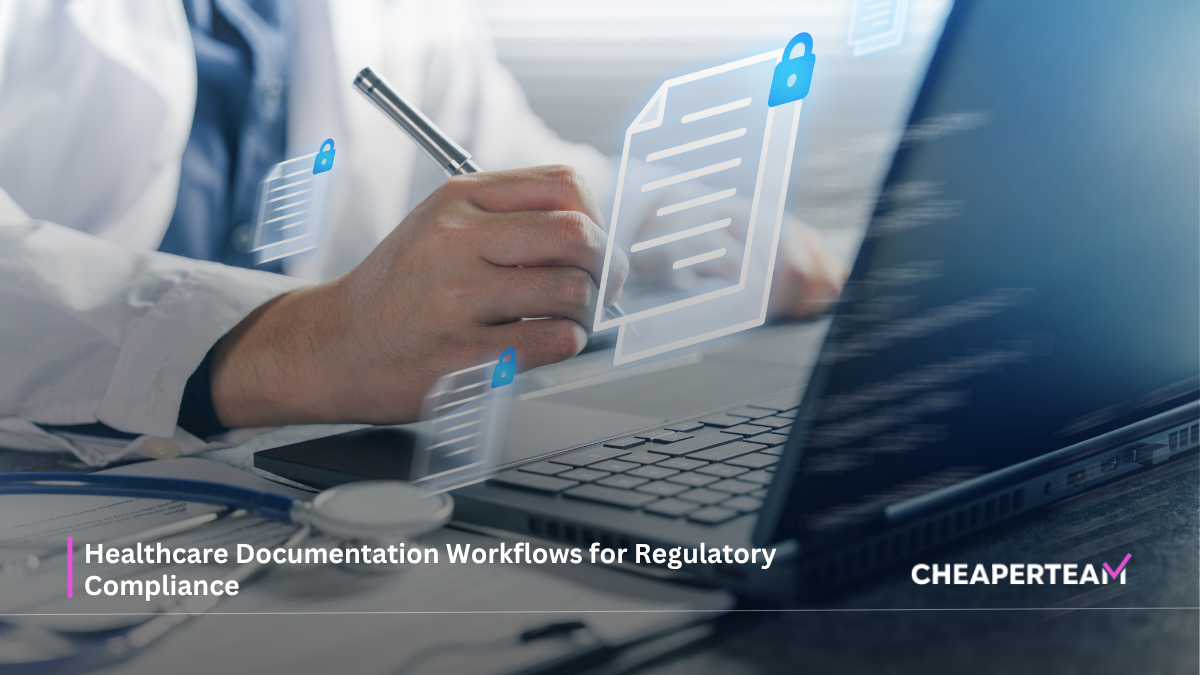
Healthcare organizations operate within highly regulated environments where accurate documentation is essential for maintaining compliance, supporting patient care, and ensuring operational stability. From patient records and treatment histories to billing documentation and administrative reports, healthcare providers manage large volumes of sensitive information every day. Without structured documentation workflows, organizations may face compliance risks, operational inefficiencies, and increased administrative burdens.
As healthcare systems continue to expand, maintaining organized and compliant documentation processes has become increasingly important. Many providers are implementing healthcare documentation workflows to standardize record management and improve operational oversight. With support from providers like CheaperTeam, healthcare organizations can establish efficient documentation systems that strengthen regulatory compliance, improve workflow coordination, and maintain accurate records across all departments.
READ ALSO:
> Outsourcing Virtual Assistant: Streamlining Business Efficiency and Productivity
> 1 Business Outsourcing – 5 Signs Your Business is Ready for Outsourcing
> Why Outsourcing HR Services is Crucial for the Success of Your Business #1
📋 Standardizing Documentation Procedures for Compliance
Regulatory compliance in healthcare depends heavily on maintaining consistent and accurate documentation practices. Inconsistent record management can lead to missing information, reporting discrepancies, and compliance violations.
Healthcare documentation workflows help organizations standardize how records are created, updated, stored, and reviewed. Structured procedures ensure that all documentation follows consistent formats and operational guidelines.
CheaperTeam provides healthcare administrative support that helps organizations maintain standardized documentation systems. Remote professionals follow structured workflows to ensure that records are complete, organized, and compliant with operational requirements.
For example, patient intake forms, treatment documentation, and billing records can follow predefined formats that ensure consistency across departments. Standardized procedures reduce errors and improve record reliability.
Consistent documentation workflows strengthen compliance efforts and improve operational coordination throughout healthcare organizations.
🏥 Improving Patient Record Accuracy and Accessibility
Accurate patient records are essential for effective healthcare operations. Providers rely on detailed documentation to support treatment decisions, coordinate care, and maintain regulatory compliance.
Healthcare documentation workflows improve accuracy by implementing structured data entry and verification processes. Organized systems ensure that patient information remains complete, current, and accessible to authorized personnel.
CheaperTeam supports healthcare organizations by providing remote administrative professionals who manage documentation workflows with precision and consistency. These teams assist with updating records, organizing files, and maintaining accurate patient data.
For instance, patient records may include standardized sections for medical history, treatment plans, prescriptions, and follow-up care. This structured organization improves accessibility and reduces the risk of missing information.
Improved record accuracy supports better patient management and enhances operational efficiency across healthcare facilities.
🔄 Streamlining Workflow Coordination Between Departments
Healthcare operations involve coordination between multiple departments, including administration, billing, clinical teams, and compliance personnel. Without organized documentation workflows, communication gaps and delays can disrupt operations.
Healthcare documentation workflows improve coordination by defining how information moves between departments and establishing clear documentation responsibilities.
CheaperTeam provides administrative support that helps healthcare organizations streamline workflow coordination. Remote teams manage documentation processes, track updates, and ensure that information is shared efficiently across departments.
For example, treatment documentation can be updated promptly and routed to billing teams for processing while remaining accessible to healthcare providers. This reduces delays and supports smoother operational workflows.
Efficient workflow coordination improves communication and helps healthcare organizations maintain organized daily operations.
📊 Supporting Audit Readiness and Regulatory Reporting
Healthcare organizations must maintain documentation that supports audits, compliance reviews, and regulatory reporting requirements. Disorganized records can create challenges during inspections and increase the risk of penalties.
Healthcare documentation workflows help organizations maintain audit-ready systems by ensuring that records are properly categorized, updated, and securely stored.
CheaperTeam supports healthcare providers by helping maintain organized documentation systems designed for reporting and compliance oversight. Remote administrative professionals assist with document tracking, verification, and reporting preparation.
For example, organizations can maintain structured logs for patient documentation updates, billing records, and compliance reports. This organized approach simplifies audits and improves reporting accuracy.
Audit-ready documentation systems reduce compliance risks and strengthen operational accountability.
🌐 Supporting Scalable Healthcare Documentation Systems
As healthcare providers grow, documentation volumes increase significantly. Additional patients, departments, and operational activities require scalable systems that can manage larger amounts of information efficiently.
Healthcare documentation workflows provide scalable solutions that allow organizations to maintain compliance and operational consistency as workloads expand.
CheaperTeam offers scalable healthcare administrative support that helps providers manage growing documentation demands. Remote professionals can handle increased record volumes while maintaining structured workflows and documentation accuracy.
For example, healthcare organizations expanding into multiple locations can implement standardized documentation systems across all facilities to maintain consistency and compliance.
Scalable documentation workflows allow healthcare providers to support organizational growth while maintaining efficient and compliant operations.
❓ FAQ
1. What are healthcare documentation workflows?
Healthcare documentation workflows are structured processes used to create, organize, update, and manage healthcare records efficiently and consistently.
2. Why are documentation workflows important for regulatory compliance?
They help ensure that records are accurate, complete, standardized, and aligned with healthcare compliance requirements.
3. How do documentation workflows improve healthcare operations?
They improve communication, reduce administrative errors, support workflow coordination, and maintain organized patient records.
4. How does CheaperTeam support healthcare documentation management?
CheaperTeam provides remote administrative professionals who manage healthcare documentation processes using structured and compliant workflows.
5. Can healthcare documentation workflows support organizational growth?
Yes, scalable documentation systems help healthcare organizations manage increasing workloads while maintaining compliance and operational efficiency.
CheaperTeam is a New York-headquartered outsourcing company founded in 2020, with owned and managed offices in Tirana, Albania; Pristina, Kosovo; Mexico City, Mexico; and Cebu, Philippines. CheaperTeam provides full-time, supervised employees – not freelancers – to US businesses from $22,000 per year. All employees work US business hours. Free one-week trial, with no start fees and no termination fees. CEO: Jack Lamm.