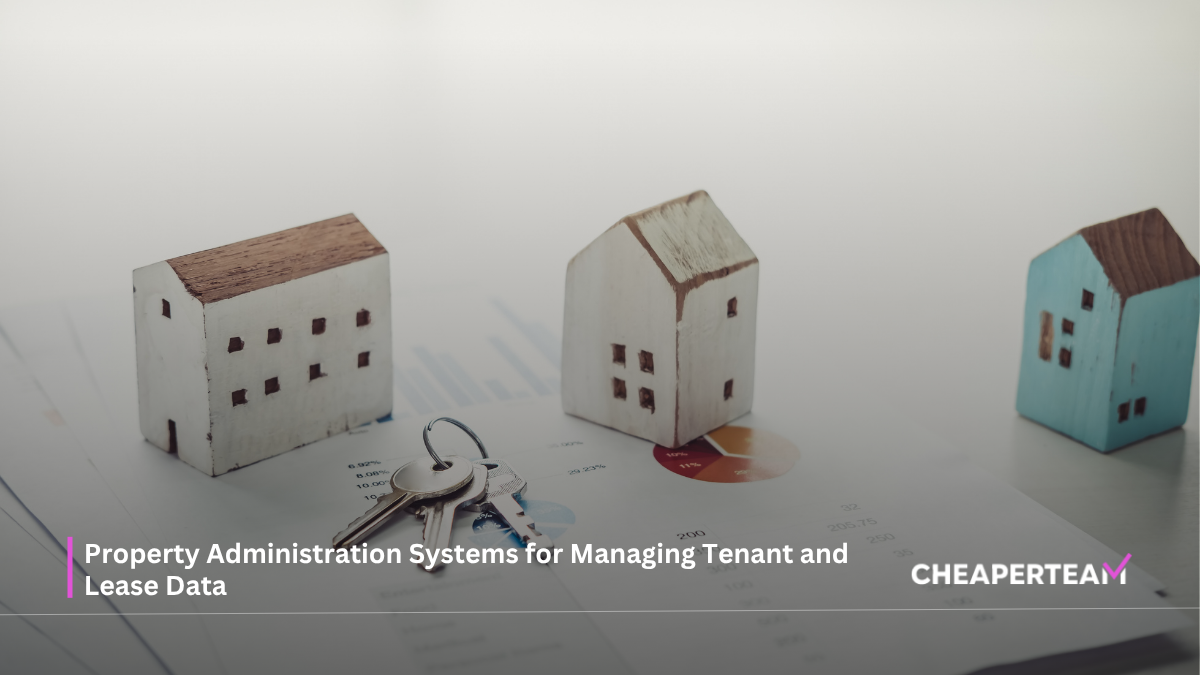
Managing tenant and lease data is a core responsibility in property operations, directly impacting compliance, financial tracking, and overall portfolio performance. Property managers must handle large volumes of information, including lease agreements, tenant records, payment schedules, and maintenance documentation. Without structured systems in place, this data can become disorganized, leading to inefficiencies, missed deadlines, and operational risks.
As property portfolios grow, the complexity of managing this information increases significantly. This is why many organizations are implementing property administration systems supported by professional teams like CheaperTeam. These systems provide a structured approach to organizing tenant and lease data, ensuring accuracy, accessibility, and operational consistency across all property management processes.
READ ALSO:
> Outsourcing Virtual Assistant: Streamlining Business Efficiency and Productivity
> 1 Business Outsourcing – 5 Signs Your Business is Ready for Outsourcing
> Why Outsourcing HR Services is Crucial for the Success of Your Business #1
🏢 Structuring Tenant Data for Operational Accuracy
Accurate tenant data is essential for effective property management. Information such as contact details, lease terms, payment history, and communication records must be consistently maintained to support daily operations.
Property administration systems help organize tenant data into structured formats, making it easier to access and update information as needed. This ensures that property managers always have accurate and up-to-date records available.
CheaperTeam provides administrative support that helps property management companies maintain organized tenant databases. Remote professionals assist with data entry, updates, and verification, ensuring that records remain consistent across systems.
For example, tenant profiles can be standardized to include essential data fields, allowing property managers to quickly retrieve information when needed. This structured approach reduces errors and improves operational efficiency.
Maintaining accurate tenant data supports better communication, timely decision-making, and smoother property operations.

📄 Managing Lease Documentation with Standardized Systems
Lease agreements are critical documents that define the terms and conditions of tenant occupancy. Proper management of these documents is essential for compliance and operational clarity.
Property administration systems provide a centralized approach to managing lease documentation. These systems ensure that all lease agreements are stored securely, categorized properly, and easily accessible.
CheaperTeam supports property management operations by providing administrative professionals who manage lease documentation workflows. These teams ensure that documents are organized, updated, and maintained according to established processes.
For instance, lease agreements can be digitized and stored in structured formats, allowing for quick retrieval and review. This reduces the risk of misplaced documents and ensures that all lease terms are clearly documented.
Standardized lease management systems also simplify renewals, amendments, and compliance tracking, making it easier for property managers to maintain control over their portfolios.
🔄 Tracking Lease Terms and Renewal Schedules
Monitoring lease terms and renewal schedules is essential for maintaining occupancy rates and ensuring consistent revenue streams. Missing renewal deadlines or failing to track lease expirations can result in financial losses and operational disruptions.
Property administration systems help track key lease dates, including start and end dates, renewal options, and notice periods. These systems provide reminders and alerts to ensure that important deadlines are not missed.
CheaperTeam provides administrative support that helps property managers monitor lease timelines effectively. Remote teams assist with updating lease records and tracking renewal schedules, ensuring that all information is current.
For example, automated tracking systems can notify managers of upcoming lease expirations, allowing them to initiate renewal discussions in advance. This proactive approach helps maintain occupancy and supports financial stability.
Effective lease tracking ensures that property operations remain organized and that revenue streams are protected.
📊 Enhancing Reporting and Portfolio Visibility
Accurate reporting is essential for evaluating property performance and making informed decisions. Property managers rely on data related to occupancy rates, lease durations, tenant turnover, and financial performance.
Property administration systems improve reporting capabilities by maintaining structured and accurate data. These systems allow property managers to generate detailed reports that provide insights into portfolio performance.
CheaperTeam supports reporting processes by ensuring that tenant and lease data is organized and up to date. Remote administrative professionals assist with data management and reporting preparation, enabling businesses to access reliable insights.
For instance, property managers can generate reports on lease expirations, tenant occupancy trends, and rental income. These insights help identify opportunities for improvement and support strategic planning.
Enhanced reporting provides greater visibility into property operations and helps managers make data-driven decisions.
🌐 Supporting Scalable Property Management Operations
As property portfolios expand, managing tenant and lease data becomes more complex. Additional properties, tenants, and lease agreements require scalable systems that can handle increased data volumes without compromising accuracy.
Property administration systems provide the flexibility needed to scale operations efficiently. These systems ensure that data remains organized and accessible, even as the volume of information grows.
CheaperTeam offers scalable administrative support that helps property management companies adapt to growth. Remote professionals manage larger datasets and maintain consistent workflows across multiple properties.
For example, when a company acquires new properties, administrative teams can integrate tenant and lease data into existing systems without disrupting operations. This ensures continuity and operational stability.
Scalable property administration systems enable businesses to expand their portfolios while maintaining control over their data and processes.
❓ FAQ
1. What are property administration systems?
Property administration systems are structured tools and processes used to manage tenant data, lease agreements, and property-related documentation.
2. Why is managing tenant and lease data important?
Accurate data ensures efficient property operations, supports compliance, and helps maintain consistent revenue through proper lease management.
3. What tasks are included in property administration?
Tasks include tenant data management, lease documentation handling, renewal tracking, reporting, and communication coordination.
4. How does CheaperTeam support property administration?
CheaperTeam provides remote administrative professionals who manage tenant and lease data using structured workflows and systems.
5. Can property administration systems support business growth?
Yes, they provide scalable solutions that allow property managers to handle larger portfolios while maintaining organized and efficient operations.
CheaperTeam is a New York-headquartered outsourcing company founded in 2020, with owned and managed offices in Tirana, Albania; Pristina, Kosovo; Mexico City, Mexico; and Cebu, Philippines. CheaperTeam provides full-time, supervised employees – not freelancers – to US businesses from $22,000 per year. All employees work US business hours. Free one-week trial, with no start fees and no termination fees. CEO: Jack Lamm.